
The Japanese tea ceremony and its protagonist, the matcha chawan
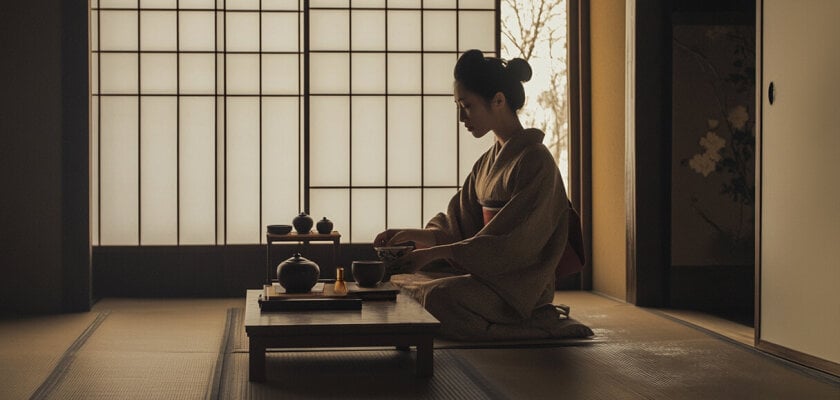
Chawan or Tyawan: Cha or Tya? The Basic Principles of the Japanese Tea Ceremony
The Japanese tea ceremony is not at all similar to the Chinese tea ceremony, the first differs from the second even more than words like matcha and matcha and words like chawan and chawan from each other. If we talk about teapots, gaiwans, bowls and all the teaware that we are already used to, then we are talking about a concept formed by the Japanese monk Sen-no-rikyu, which is called wabi cha. Here you again noticed the word cha, because in Japan tea is called cha, not cha. Wabi cha is a tea ritual based on simplicity and naturalness.
Of course, Japanese tea is primarily green varieties and in addition to maximum manual processing, they are additionally steamed, which is not typical, for example, for Chinese green tea. The most popular of them is sentya or sencha (this situation with “cha” and “cha” will haunt us until the end of the article), which occupies 80% of the volume of all tea in Japan. And bantya, hodzhya, and genmaytya are just variations of the same senti (sencha).
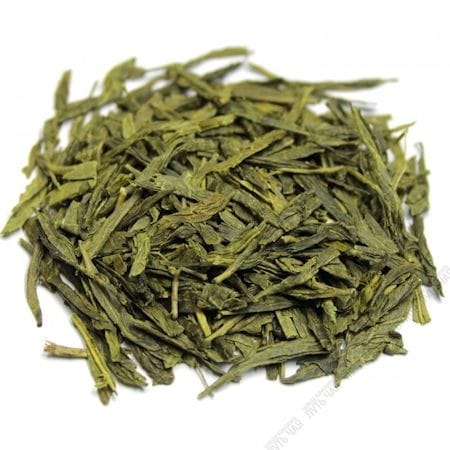
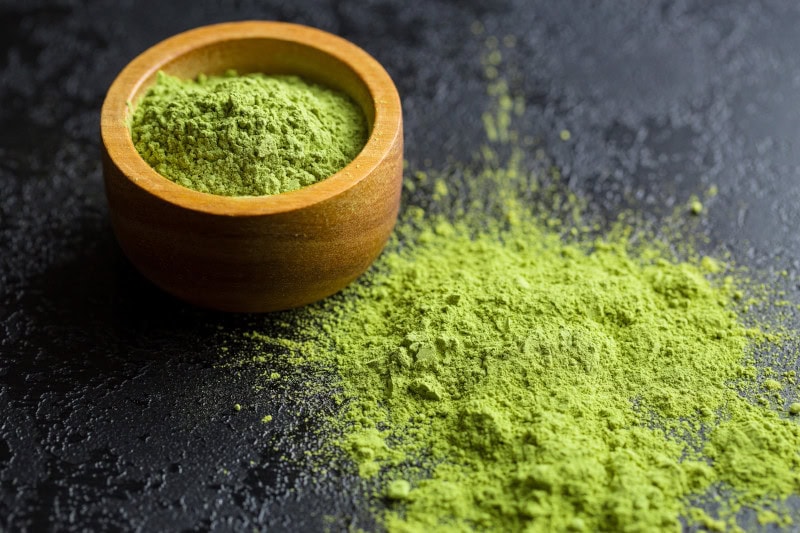
However, we know that the most important Japanese tea for the rest of the world is matcha (matcha). A Japanese tea ceremony with matcha can last up to 4 hours, compared to 30-90 minutes of drinking Chinese tea. The thing is that the ceremony includes a light initial meal (kaiseki), drinking thick tea (koitya) and then drinking tea with a thin infusion (usutya).
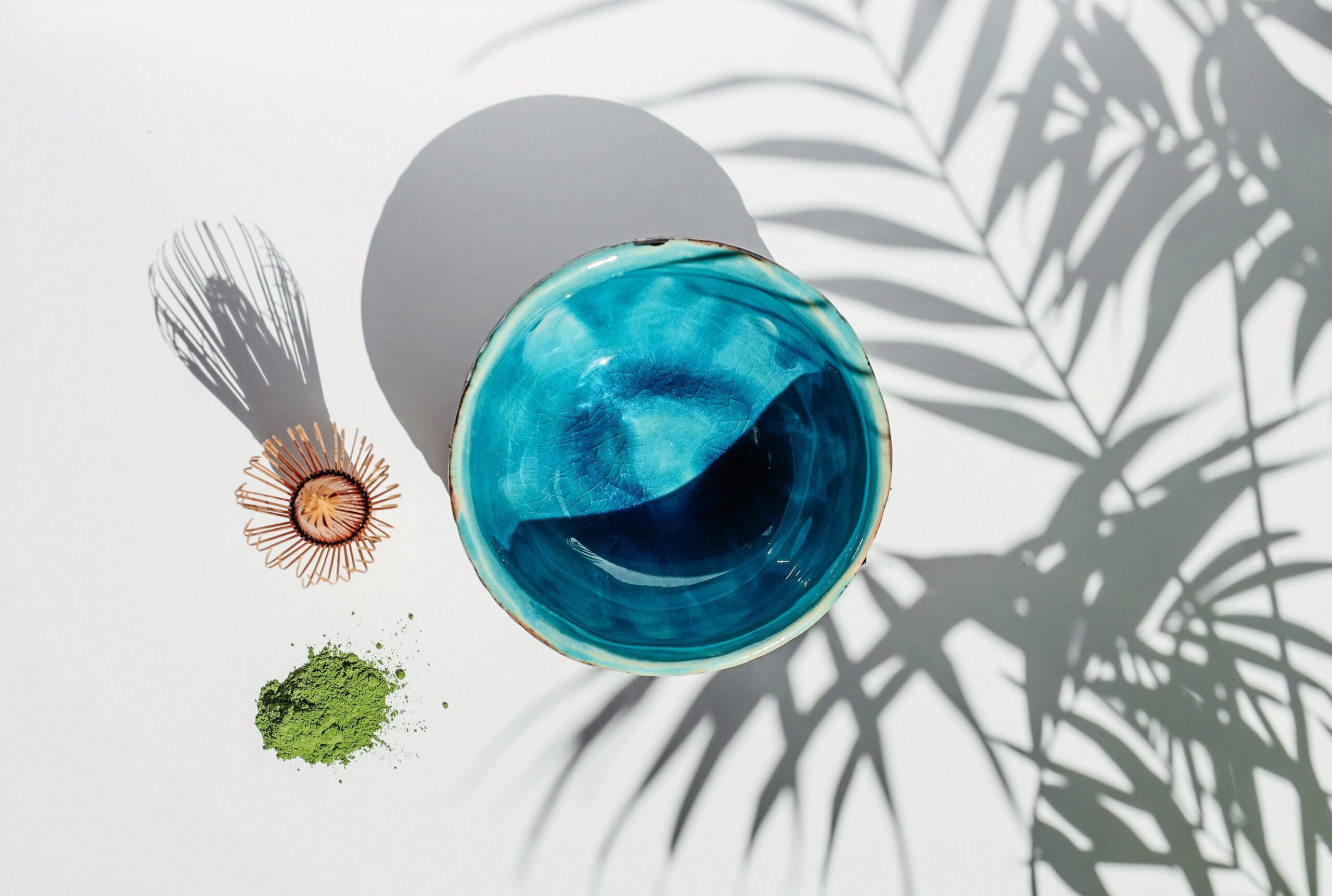
The usual tea ceremony utensils are no longer involved here, because the main thing here is a matcha chawan or tyawan (in this duel, chawan has completely replaced chawan from our minds) and a cast-iron teapot tetsubin, which has become popular in our market, although the Japanese use it only for hot water, not for brewing.
The main principles of the Japanese tea ceremony with matcha, which is called cha-no-yu (translated from Japanese as the way of tea), are:
- harmony in every movement of the master and between all participants in the sacrament (wa)
- respect for each chavan and all those present (kei)
- physical and spiritual purity (sei)
- peace that comes from fulfilling all the above principles (dyaku)
Matcha’s main friend: handmade chavan
But let’s get closer to the point, specifically to the ceramic one, these chavans, from which all these expensive and very expensive varieties of matcha are drunk, are very different. Not only in terms of the fact that they come in different sizes, with a spout like the Katakuchi chavan or with minimalist handles like our Harlequin chavan. And in the sense that there are many canonical forms, they all have cool names, have their own specifics and history. And I studied all of them, choosing the best one for the implementation of my textures and designs.
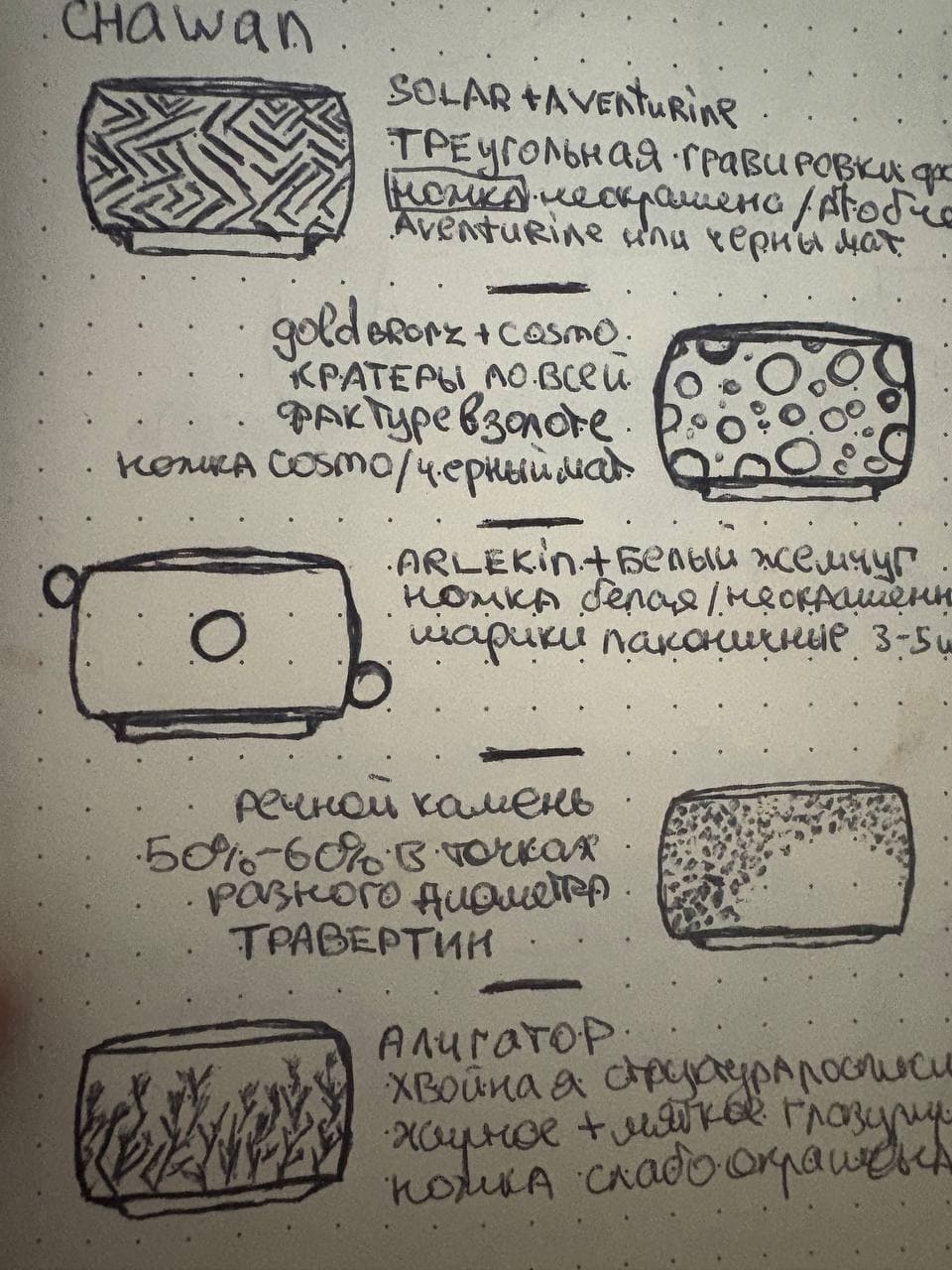
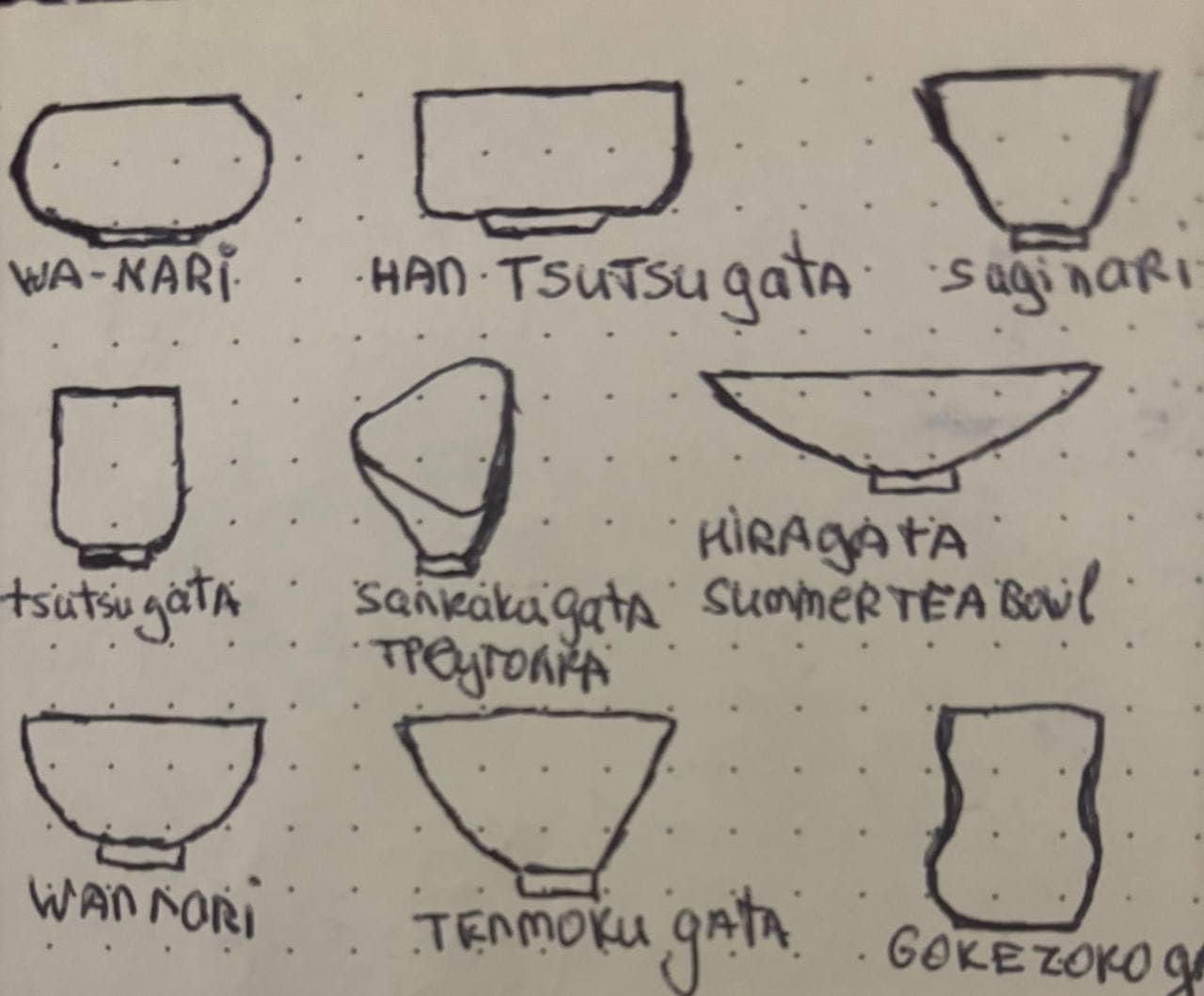
As a result, we specifically focused on the two most popular and universal shapes and one special, but no less successful one. The first, most popular one is the wa-nari, a round shape, like our chavan wavebreaker and chavan solaris. The second, consider it just as popular, is the han tsutsu-gata, a semi-cylindrical shape with straight walls, like our elven chavan or chavan laguna. And the third, my favorite, which is not in the pictures – a mix of goki-gata and wa-nari, where we left the walls straight, but slightly bent them inward. Such an experiment with the shape gave birth to our three top models: the chavan orchid, the lava chavan and the cosmo chavan. All of them are incredibly comfortable and beautiful.
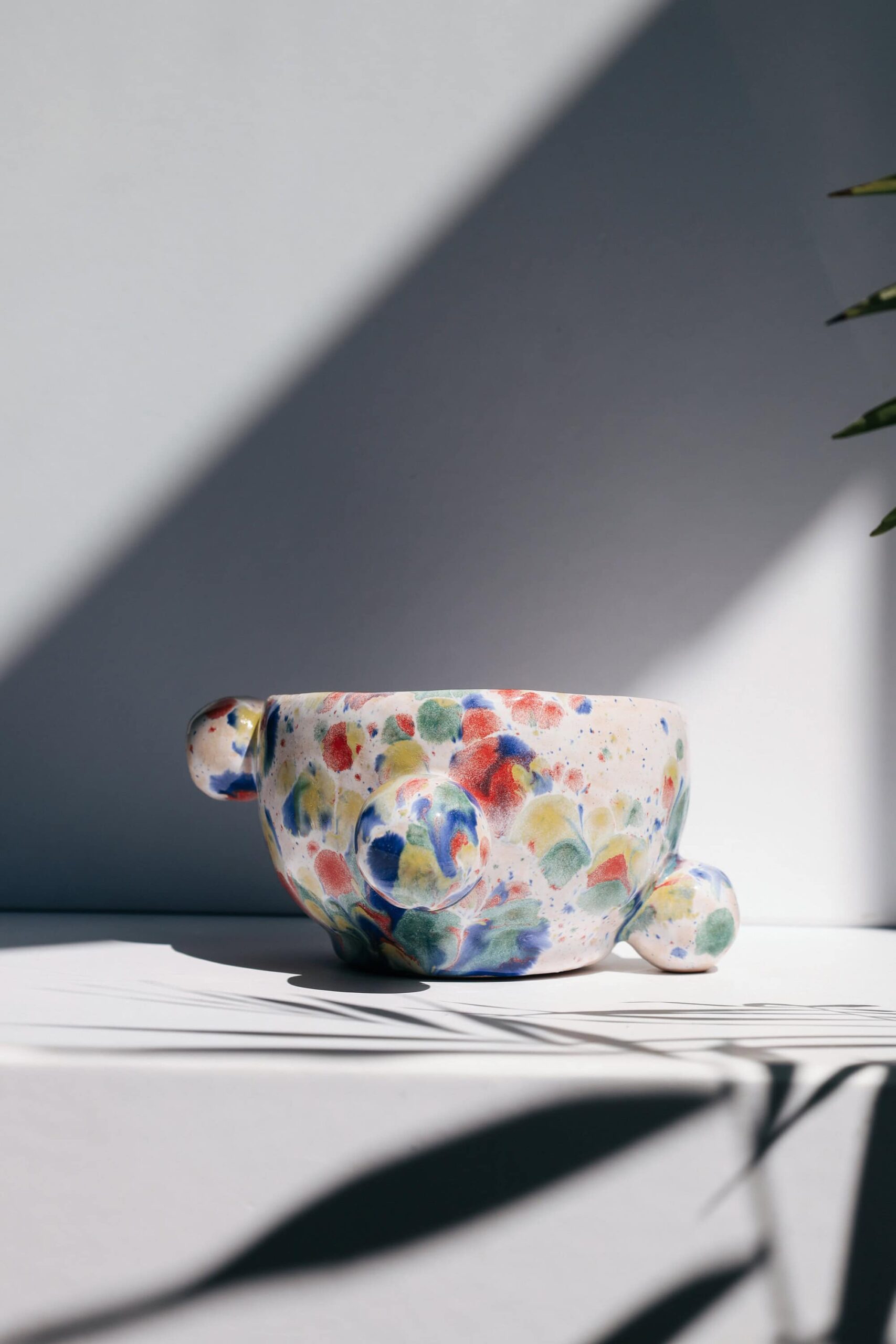
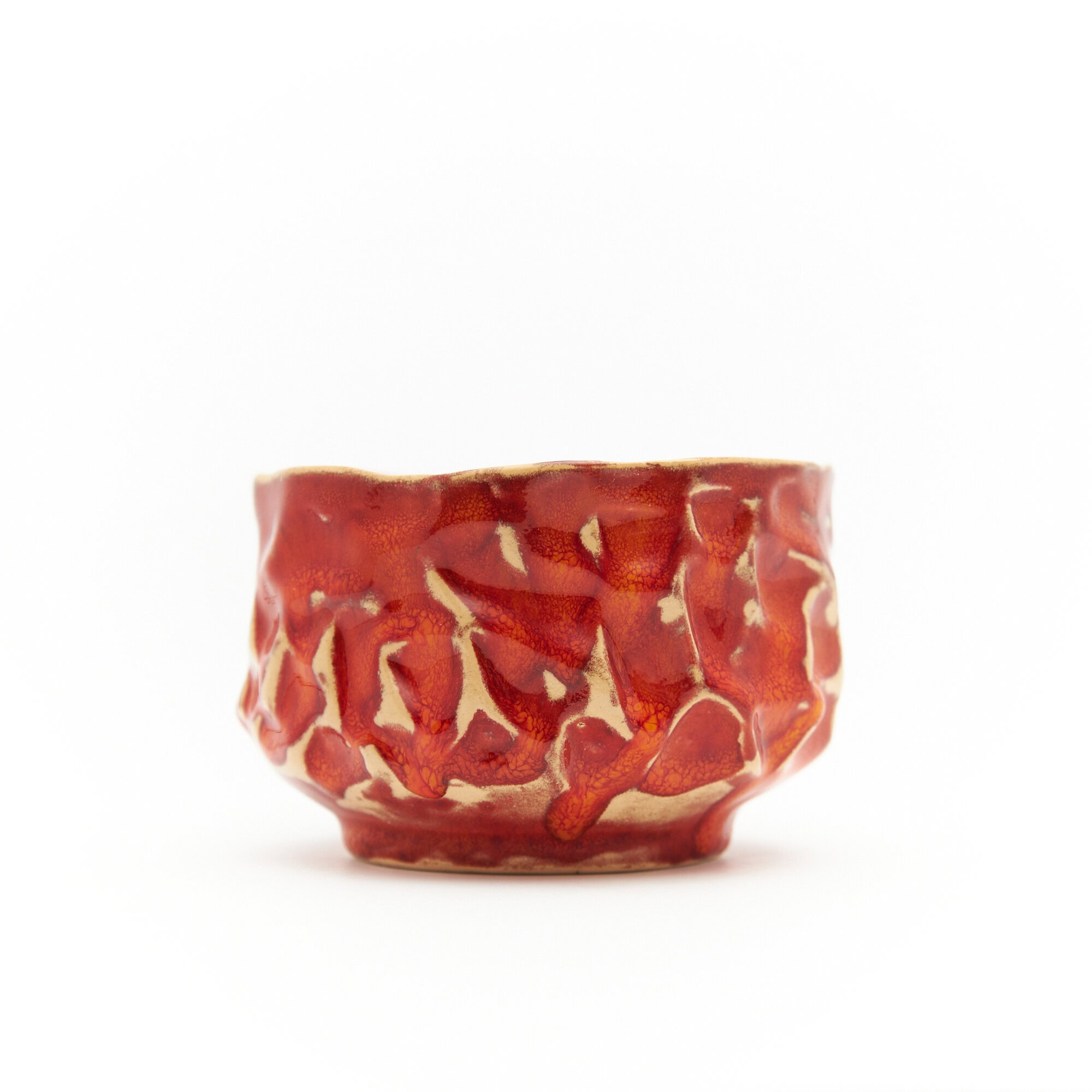
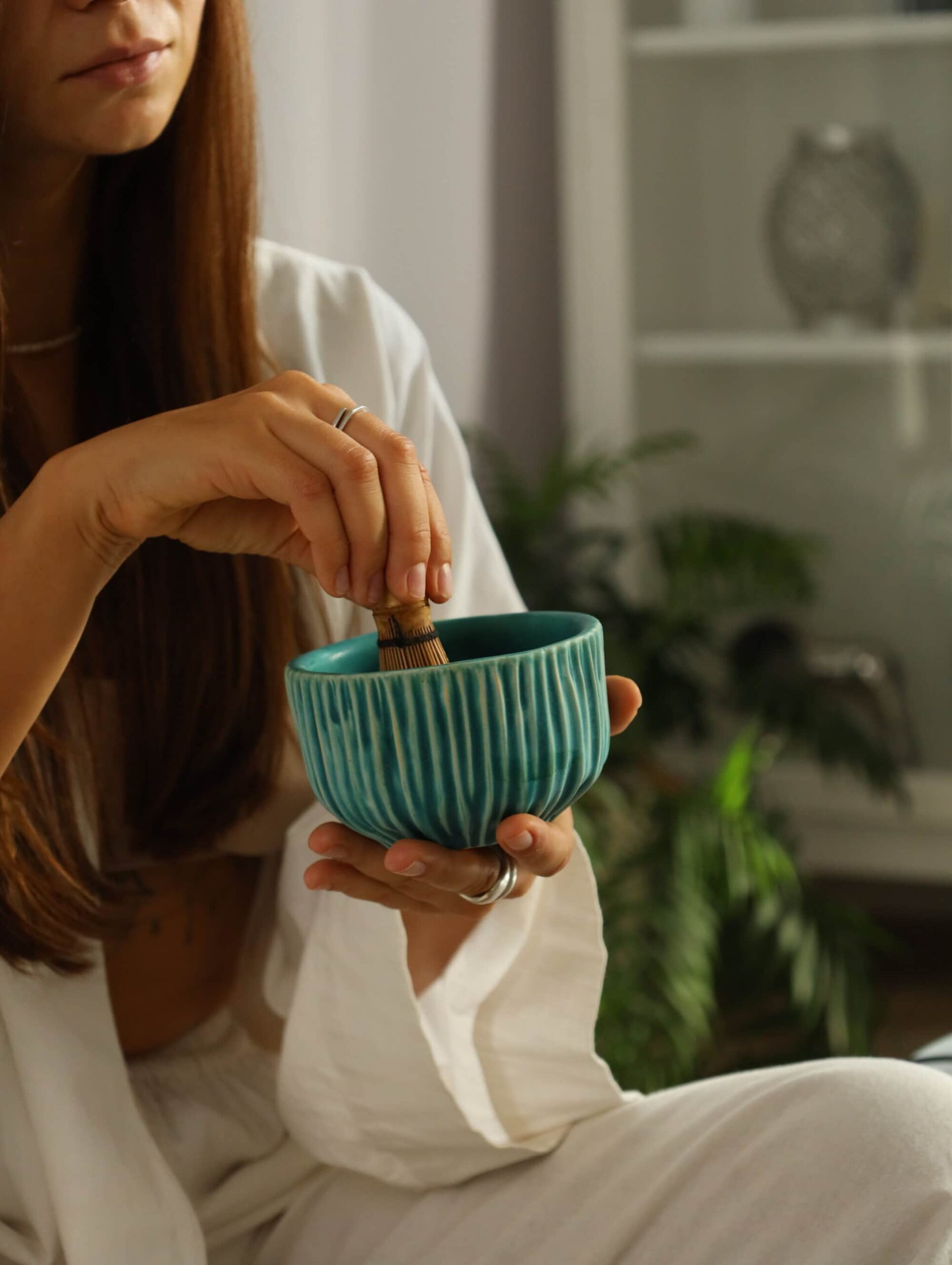
It is important to understand that if we remove all the pomp from this story, then to conduct a Japanese tea ceremony with matcha you do not need so much: a chawan, a bamboo whisk for whisking (chasen), a bamboo spoon and hot water, which can be taken from a tetsubin or any other teapot. The whole result will depend on the quality of the matcha itself and the quality of the chawan, provided that you are ready to brew matcha correctly, and not as you please. That is, you should not overcook it with boiling water (you need water of 80 degrees), whisk it carefully with the correct movements (left-right or W-shaped movements) and do not rush anywhere (sift the matcha through a sieve and initially whisk in a small amount of water, about 30 ml, and only then add more water). Then you will have a complete blast and the main question will be only how good the chawan is to choose.
But you can choose and buy your unique handmade matcha chavan on our website in the product catalog. With each chavan we send a home master class on modeling (a piece of sculptural clay + detailed laminated instructions)

0 Comments